Essential storage only, unless you let us measure what helps athletes find us. Cookie policy

HRP is now built around gym sims and independent races. We no longer show official HYROX race results. Your sims, records and training stay. What's changing →
Learn · For gyms

How to run a partner fitness race at your gym

Partner races are the friendliest fitness events to run: two athletes share every station, swap as often as they like, and score as many reps, calories or metres as they can in a fixed time. Beginners can race next to regulars, nobody finishes last on their own, and the day feels more like a night out than a test. Events such as METRIX have made the format popular; this guide shows how to run your own version at your gym.

Free to sign up. Your first event is free for up to 100 athletes.

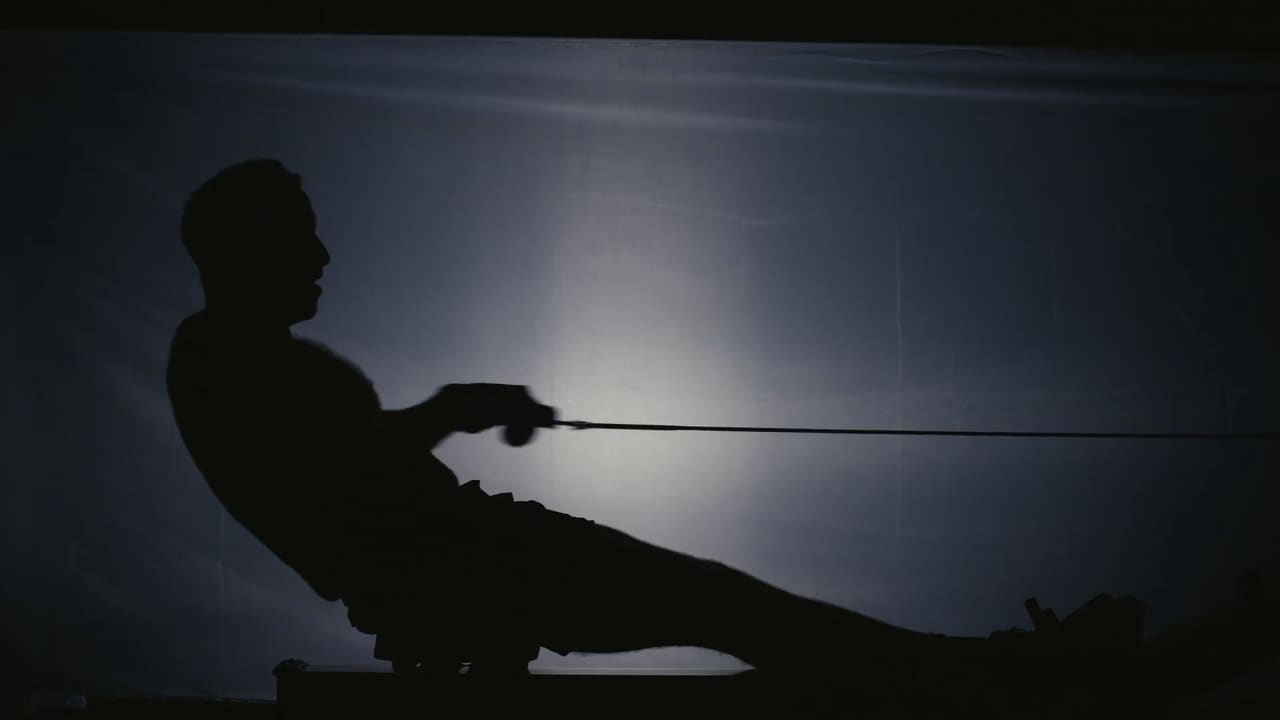
Silhouette of an athlete on a rowing machine under a single light
Ergs score themselves: calories and metres on the screen.
  1. Step 1

    Design the blocks

    Four to six stations, a fixed time on each, a short changeover between.

    Pick four to six stations that score easily: ergs (calories or metres), a sled (lengths), burpees or wall balls (reps), shuttle runs (lengths). Give each a fixed block of time, often 6 to 10 minutes, with a few minutes between blocks to move and recover.

    The pair shares the work however they like: you-go-I-go, alternating sets, or one working while the other rests. All that counts is the team's total in the block.

    On HRP you build the format yourself: each station scored by reps, calories, metres or watts in its own time window, and the team ranked on its total score. See how it works
  2. Step 2

    Pick a date and a slot

    An evening or weekend slot with music and food works best.

    Partner races suit an evening or a Saturday afternoon. Plan the room as much as the workout: music, somewhere to watch from, food and drink afterwards.

  3. Step 3

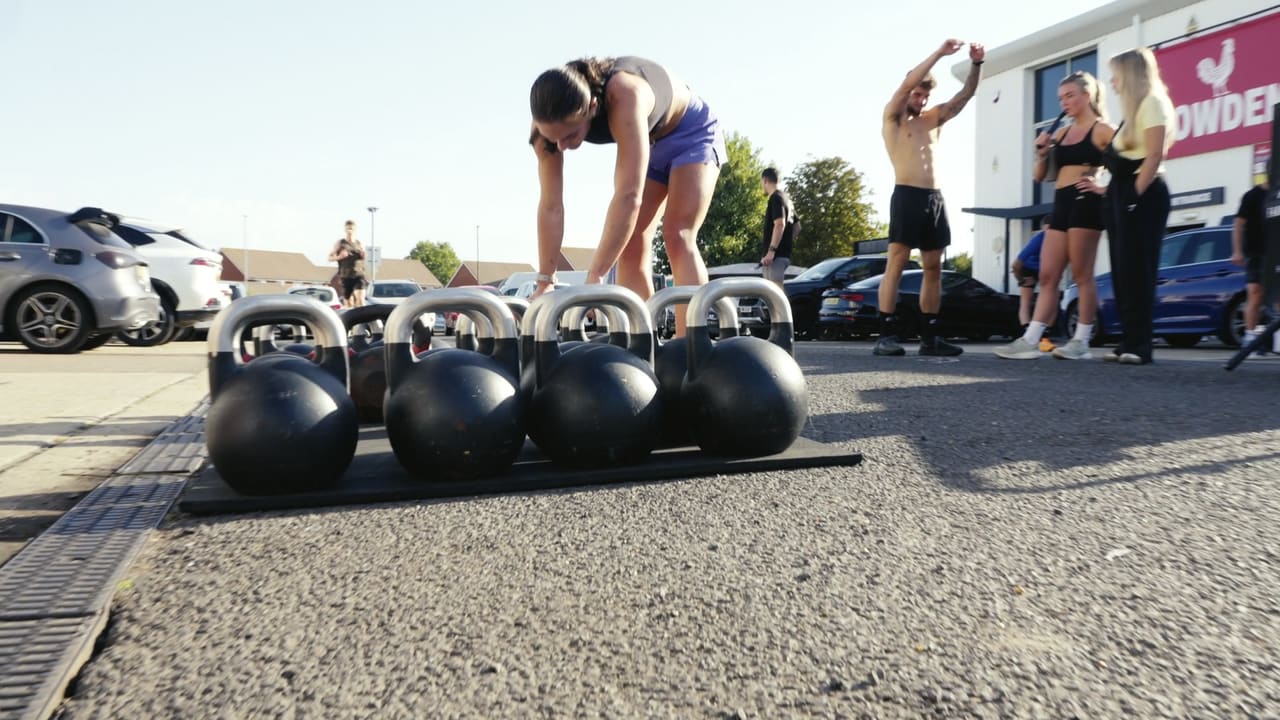
    Set up one lane per team at every station

    Teams rotate through the stations together, so every station needs a lane per team in a heat.

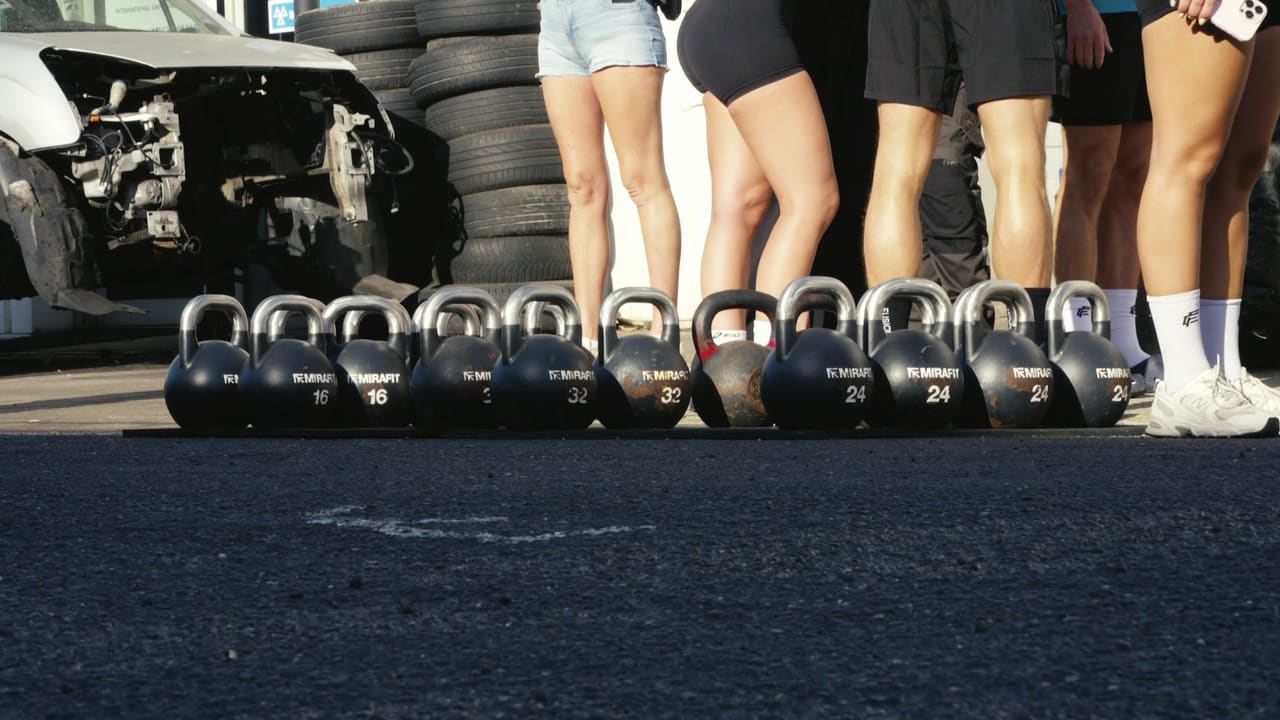
    A line of kettlebells with athletes ready at each lane
    One lane per team at every station.

    Heats move round the stations as a group, so each station needs as many lanes as there are teams in a heat. Your scarcest kit (often bikes or a sled) sets the heat size. Mark each lane clearly with a number that matches the team.

  4. Step 4

    Set team categories and open bookings

    Men's, women's and mixed pairs; both partners book and sign.

    Athletes and kettlebells set out at an outdoor fitness event
    Men's, women's and mixed pairs, booked together.

    Offer men's, women's and mixed pairs, and a beginner and advanced level if you expect a range of abilities. One partner books the team and the other joins with a link, so you know both names, both waivers and who has paid.

    On HRP team places book together, each partner signs their own waiver, and payments go into your own Stripe account. See how it works

  5. Step 5

    Collect a waiver from both partners

    Every athlete signs, with a guardian for under-18s.

    Both members of a pair sign their own waiver at booking. Anyone under 18 needs a parent or guardian to sign.

  6. Step 6

    Run the clock and the changeovers

    One clock for the whole room, a clear start and stop for every block.

    Use one big interval timer everyone can see, with a countdown to the start of each block and a clear stop. Changeovers need a marshal moving teams to the next station on time; a late changeover pushes every block after it.

  7. Step 7

    Record each team's score

    A judge or station lead enters the total at the end of every block.

    Judge entering a team's score on a phone
    Each team's reps or metres entered as the block ends.

    At the end of each block the judge on that lane enters the team's reps, calories or metres. Ergs show the number on the screen; reps and lengths need a judge counting.

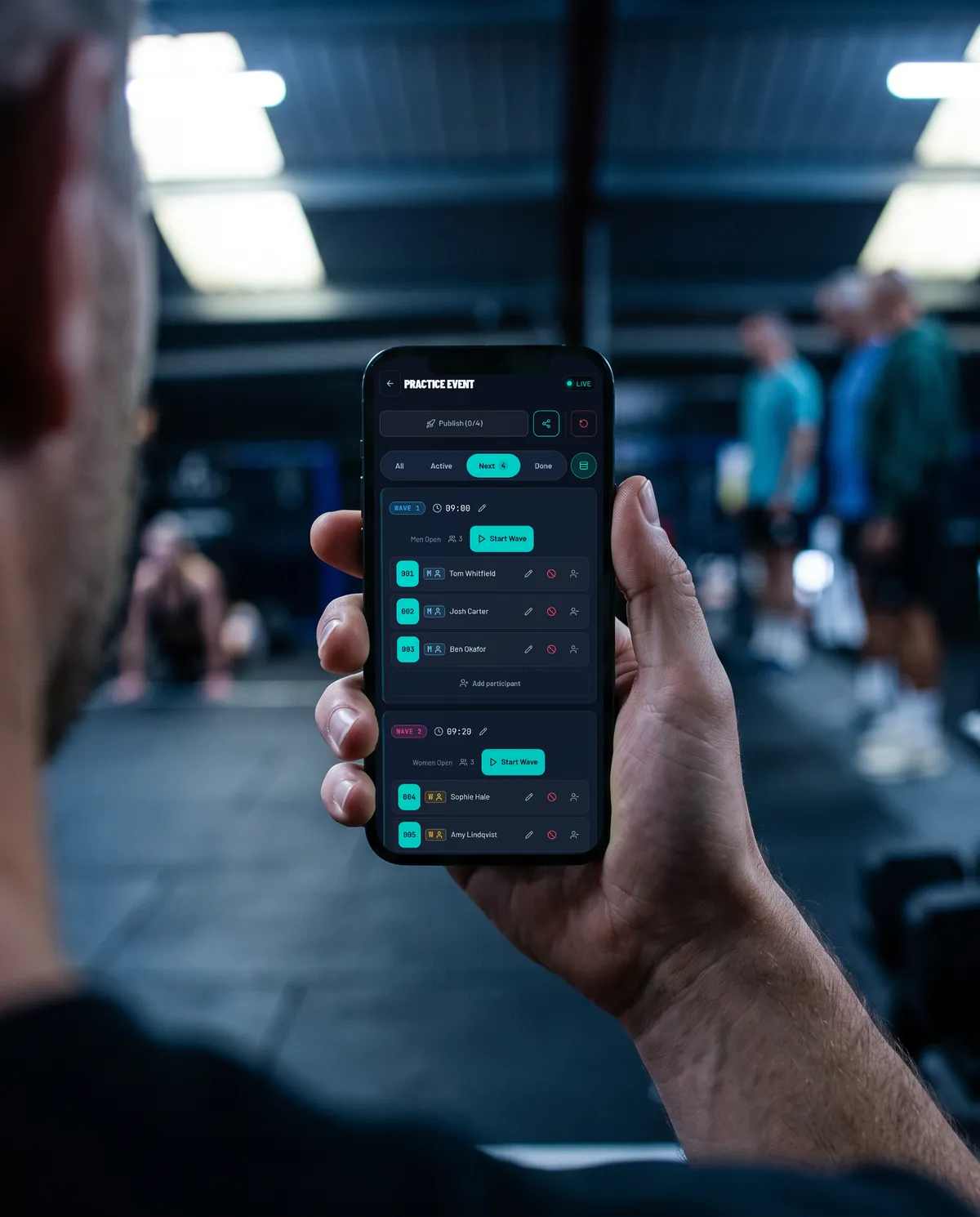
    With HRP each judge opens a link on their phone and enters the team's score for the block. The team total and the leaderboard update straight away. See how it works

  8. Step 8

    Put the leaderboard on the big screen

    Totals after every block keep the room watching.

    Show the standings after every block. Teams near the top push harder in the last blocks, and spectators have something to follow.

  9. Step 9

    Make it an event

    Music, a host on the mic and somewhere to hang around after.

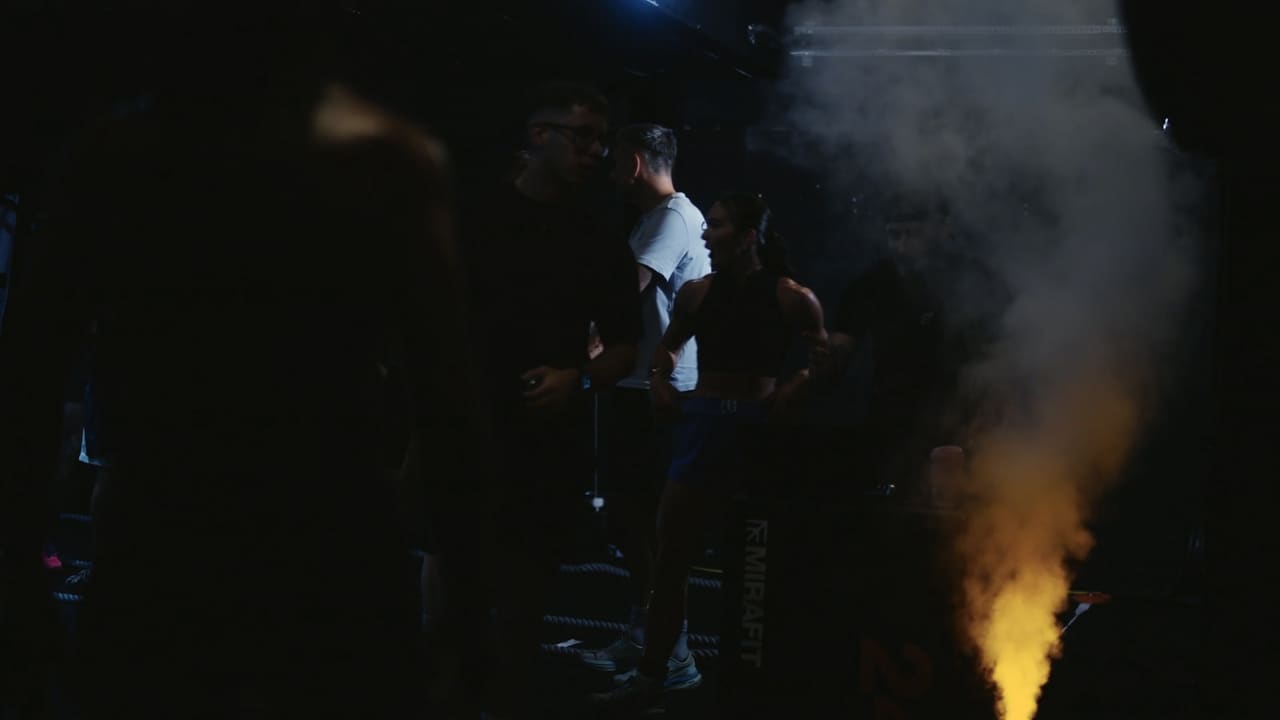
    Coloured smoke flare in a dark gym during a fitness race
    Music, lights and a host turn it into a night out.

    Much of what makes partner races popular is the atmosphere: a playlist, someone on the mic calling out close races, and food and drink afterwards. It is what gets people booking the next one.

  10. Step 10

    Publish results the same night

    Every team's block-by-block scores, out before they get home.

    Publish the final standings and each team's scores per station the same evening, then announce the next date.

Partner race checklist

  • 4 to 6 stations scored on reps, calories or metres
  • Block length and changeover time
  • One lane per team at every station
  • Men's, women's and mixed pairs
  • Team bookings and payments
  • A waiver from each partner
  • One clock everyone can see
  • Marshal for changeovers
  • Judges entering scores per block
  • Live leaderboard
  • Music, host and food
  • Results the same night

Questions organisers ask

What is a partner fitness race?

An event where pairs share a set of stations, each for a fixed block of time, and score as many reps, calories or metres as they can as a team. Partners can split the work however they like. METRIX is a well-known example of the format.

How long should each block be?

Six to ten minutes works for most stations, with two to four minutes between blocks to move and recover. Five blocks of eight minutes plus changeovers makes a session of around an hour.

How do you score a pairs fitness event?

Each team's total for each block (reps, calories, metres or lengths) is recorded, and teams are ranked on the total across all blocks, or on placing points per station if the stations are scored in different units.

How many teams can race at once?

As many as you have lanes at your scarcest station. With four bikes, four rowers and four SkiErgs, heats of four teams rotate through the stations together.

Can I run a METRIX-style event at my gym?

You can run your own partner race in the same style. Use your own name and branding rather than another event's; HRP gives you the bookings, waivers, scoring and leaderboard.

What does HRP cost?

Signing up is free and your first event is free for up to 100 athletes. After that it is £1 per athlete.

Run your partner race on HRP

Team bookings and payments, a waiver from each partner, your own format with stations scored on reps, calories or metres, score entry on judges' phones and a live leaderboard. Free to sign up, first event free for up to 100 athletes.

METRIX is a trademark of its owner. Hybrid Racing Platform is independent and not affiliated with or endorsed by METRIX; the name is used here only to describe a style of event.